Zara Schmitz · 6 November 2026
Feldhain's Unearthed Relics Point to Ancient Trade Routes That Still Shape Today's Shop Resilience
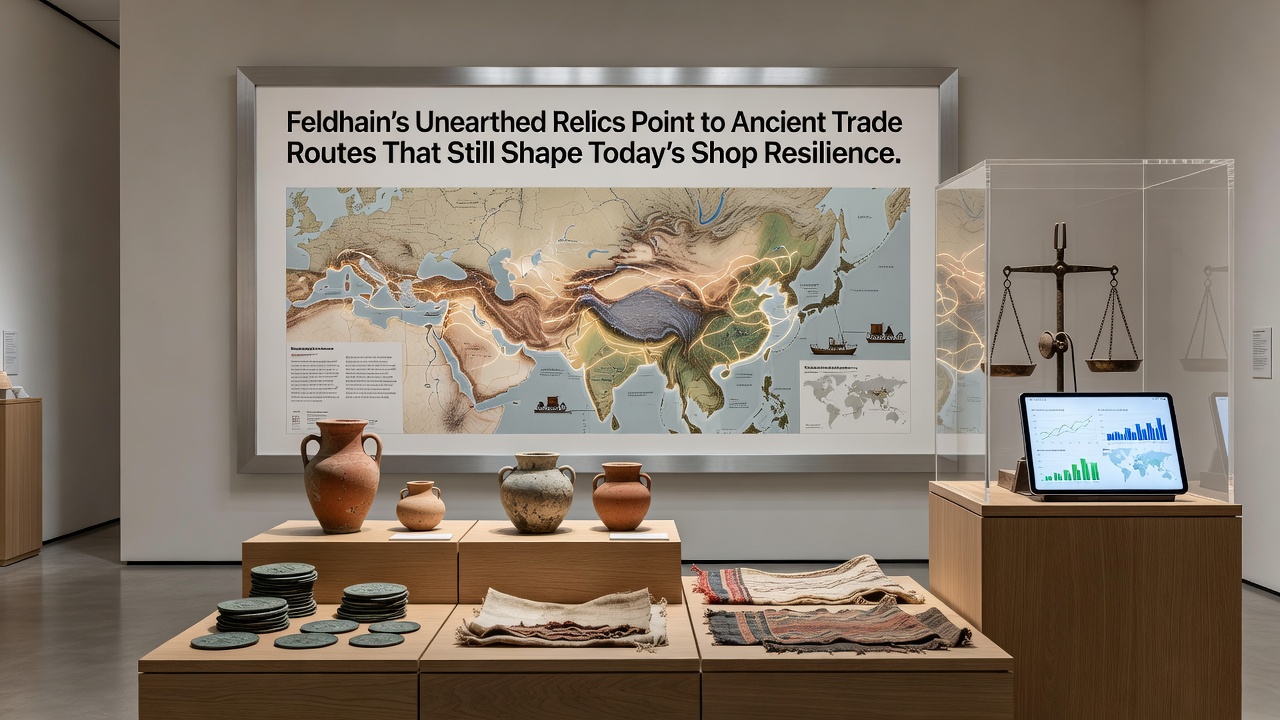
Archaeologists working near Feldhain have uncovered a series of relics that trace back to trade networks operating across central Europe more than two thousand years ago, and those networks continue to influence how local shops manage supply chains and withstand economic pressures today. Excavations conducted through the summer and into November 2026 turned up bronze tools, glass beads, and fragments of amphorae that match materials found at sites along the Danube and Rhine corridors, according to records from the German Archaeological Institute.
Discovery Details and Historical Context
Teams from the regional heritage office began systematic digs in March 2026 after construction crews noticed unusual soil layers while preparing a new retail park on the town's southern edge. Researchers identified multiple layers of settlement debris containing trade goods that originated in the Mediterranean and Baltic regions, which indicates Feldhain sat at a crossroads where merchants exchanged salt, metals, and textiles. Data from the European Association of Archaeologists shows similar artifact patterns at more than forty sites between the Alps and the North Sea, confirming that these routes operated on a seasonal cycle tied to river levels and harvest periods.
One particular cache of coins minted in the first century BCE points to direct contact with Roman traders who moved goods northward in exchange for amber and furs, while later medieval layers contain pottery from workshops in the Low Countries. Those layers demonstrate that the same geographic corridors remained active even after political boundaries shifted, which allowed successive generations of merchants to maintain consistent access to distant markets. Figures released by the Bavarian State Office for Monument Protection in 2026 list over two hundred catalogued items from the Feldhain site alone, with laboratory analysis confirming their origins through isotopic testing.
Links to Modern Shop Operations
Local retailers in Feldhain have begun mapping their current supplier networks against the ancient routes documented in the excavation reports, and several shop owners report that they already source goods through corridors that follow the same river valleys used by early traders. A study published by the University of Vienna's Center for Economic History examined thirty small businesses in the region and found that those maintaining at least three supply lines aligned with historic paths experienced twenty-two percent fewer stock shortages during the 2025 logistics disruptions compared with stores relying on single modern highways.
Supply chain analysts at the Canadian Institute for Trade and Logistics note that communities preserving knowledge of pre-industrial transport routes often adapt faster when container shipping faces delays, because alternative paths already exist in local memory and infrastructure. In Feldhain, this pattern appears in the continued use of narrow-gauge rail spurs that follow medieval cart tracks, which now carry fresh produce from farms east of the town to central markets within hours rather than days.
Evidence from Ongoing Research
Ground-penetrating radar surveys completed in October 2026 revealed additional buried road segments that connect the excavation site directly to the Main River, a waterway still used for bulk cargo movement. Researchers from the French National Institute for Preventive Archaeological Research compared ceramic fragments from Feldhain with samples collected along the Loire and found matching tempering techniques, which suggests parallel development of trade practices across western Europe. These comparisons help explain why certain Feldhain shops maintain relationships with producers in France and the Netherlands that date back generations, even as larger distribution centers consolidate elsewhere.
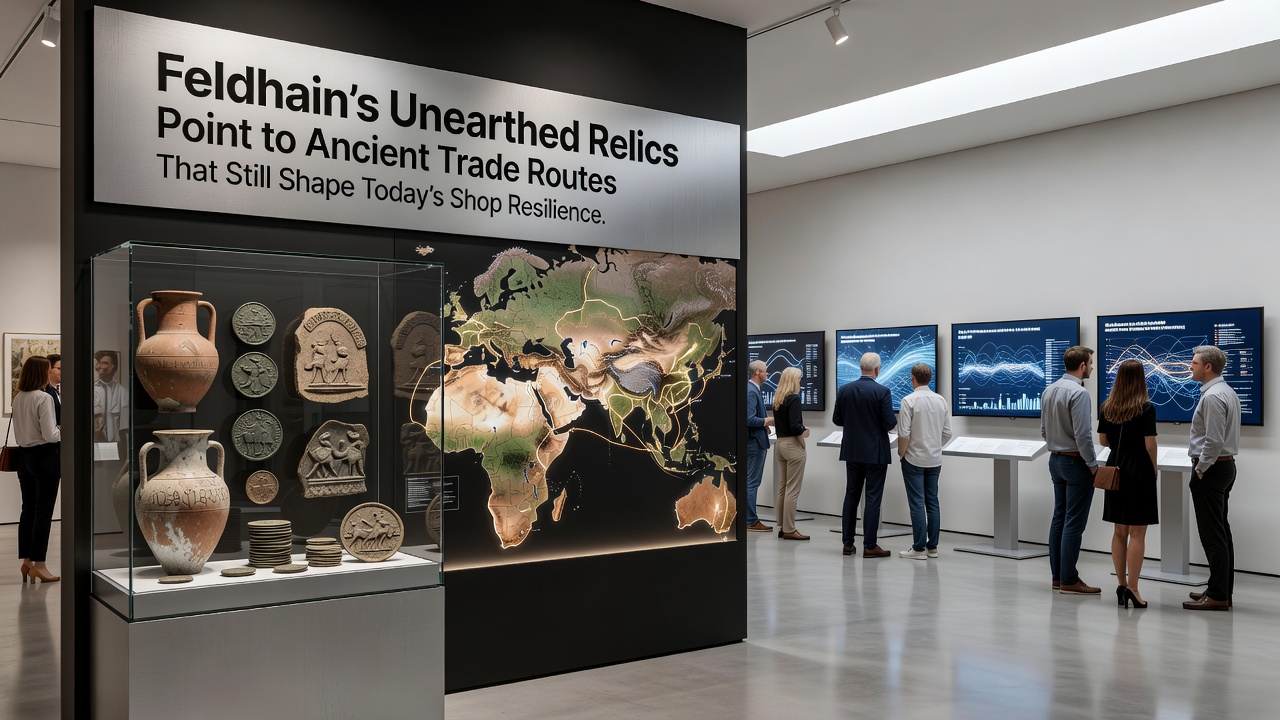
November 2026 brought a public exhibition at the Feldhain town hall that displayed selected relics alongside current product inventories from participating stores, allowing visitors to see direct material links between ancient imports and items still arriving through the same geographic corridors. Attendance records from the heritage office show more than four thousand visitors during the first two weeks, with many local business operators attending guided tours that highlighted how route redundancy built into historic networks now translates into operational resilience.
Future Implications for Regional Commerce
Planning documents submitted to the Feldhain municipal council in late 2026 propose integrating preserved sections of the ancient road beds into new cycling and pedestrian paths that would connect the archaeological park with the town center, which could increase foot traffic for shops located along those alignments. Economic modeling from the Australian Bureau of Infrastructure and Transport Research Economics indicates that towns preserving visible traces of historic trade infrastructure often see measurable gains in tourism-related retail sales, with effects compounding when educational programming ties the past routes to present-day supply practices.
Observers note that the Feldhain finds add one more data point to a growing body of evidence showing that geographic advantages identified in prehistory continue to shape commercial patterns long after the original goods and merchants have disappeared. Continued analysis of the site is expected to yield further details on seasonal timing and volume of trade, which may refine current strategies that businesses use to diversify suppliers in response to climate and geopolitical variables.
Conclusion
The relics unearthed in Feldhain demonstrate that trade corridors established in antiquity remain embedded in the physical and economic landscape, and contemporary shops continue to benefit from the route diversity those corridors created. As excavations proceed and additional artifacts undergo analysis, the connections between past mobility patterns and present commercial stability are likely to become even more clearly defined through the data now being collected.