Zara Schmitz · 25 September 2026
Feldhain's Path Restorers Reveal Ties Between Volunteer Efforts, School Programs, and Record Field Yields
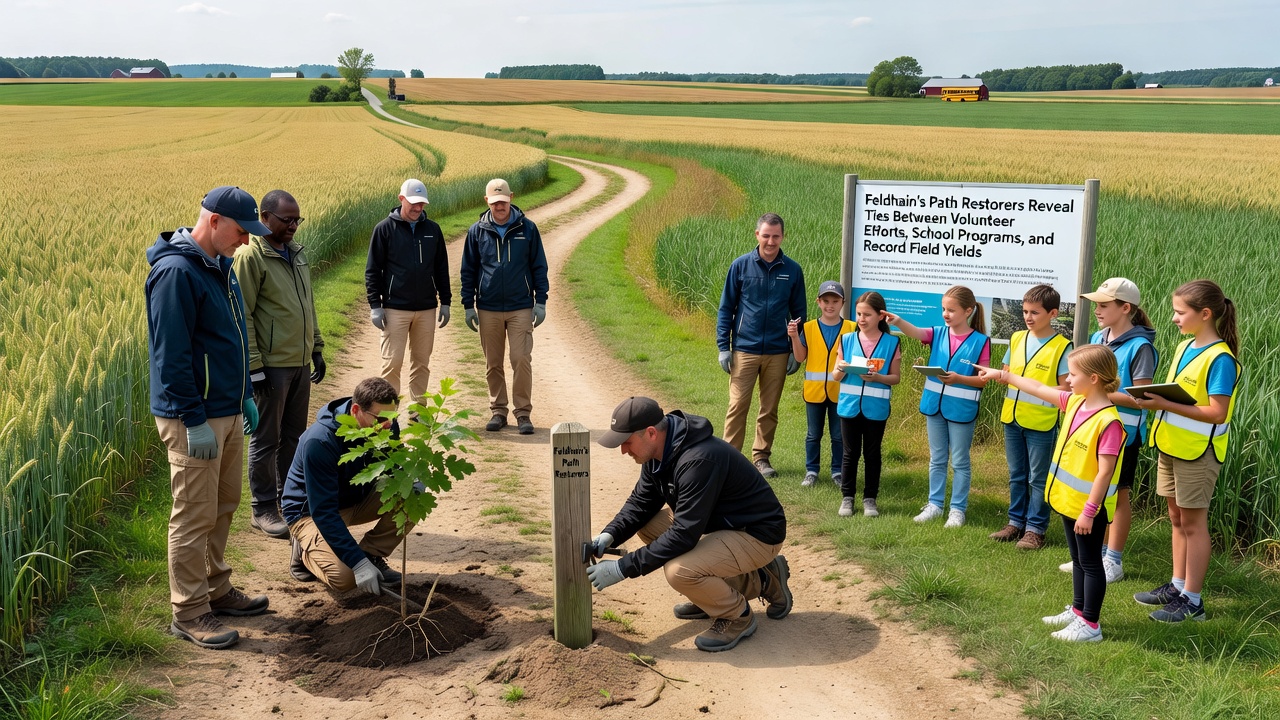
Path restoration crews in Feldhain have documented connections among organized volunteer work, integrated school curricula, and agricultural output reaching new highs in recent seasons. Crew members cleared overgrown routes through crop areas using manual tools and basic machinery while tracking soil conditions along each stretch. These efforts coincided with classroom projects where students measured erosion rates and plant health before and after path maintenance.
Volunteer Coordination and Field Access Improvements
Local groups formed teams that scheduled regular sessions starting in early spring, focusing on drainage ditches and compacted soil sections that blocked equipment movement. Records kept by the restorers show that cleared paths allowed tractors to reach interior field zones without creating additional ruts, and yield data collected at harvest time indicated gains in areas previously limited by access. School programs supplied mapping software and drone footage that crews used to prioritize sections needing immediate attention, creating a feedback loop between education activities and practical field work.
By September 2026 the same teams reported that restored routes had reduced average travel time across holdings by measurable percentages, while participating farms recorded output levels above previous five-year averages according to regional agricultural summaries. The restorers noted that students who joined weekend sessions gained hands-on data for their science assignments, and those assignments in turn supplied updated condition reports that guided the next round of maintenance.
School Integration and Data Collection Practices
Educators incorporated path restoration into biology and geography modules, requiring participants to log soil samples and vegetation changes along maintained corridors. Classes compiled spreadsheets that crews referenced during planning meetings, and the resulting datasets aligned with harvest statistics showing improved uniformity in crop stands near the restored paths. Teachers arranged visits from agronomists who explained how reduced soil disturbance correlates with better root development and nutrient uptake in cereal and root crops.
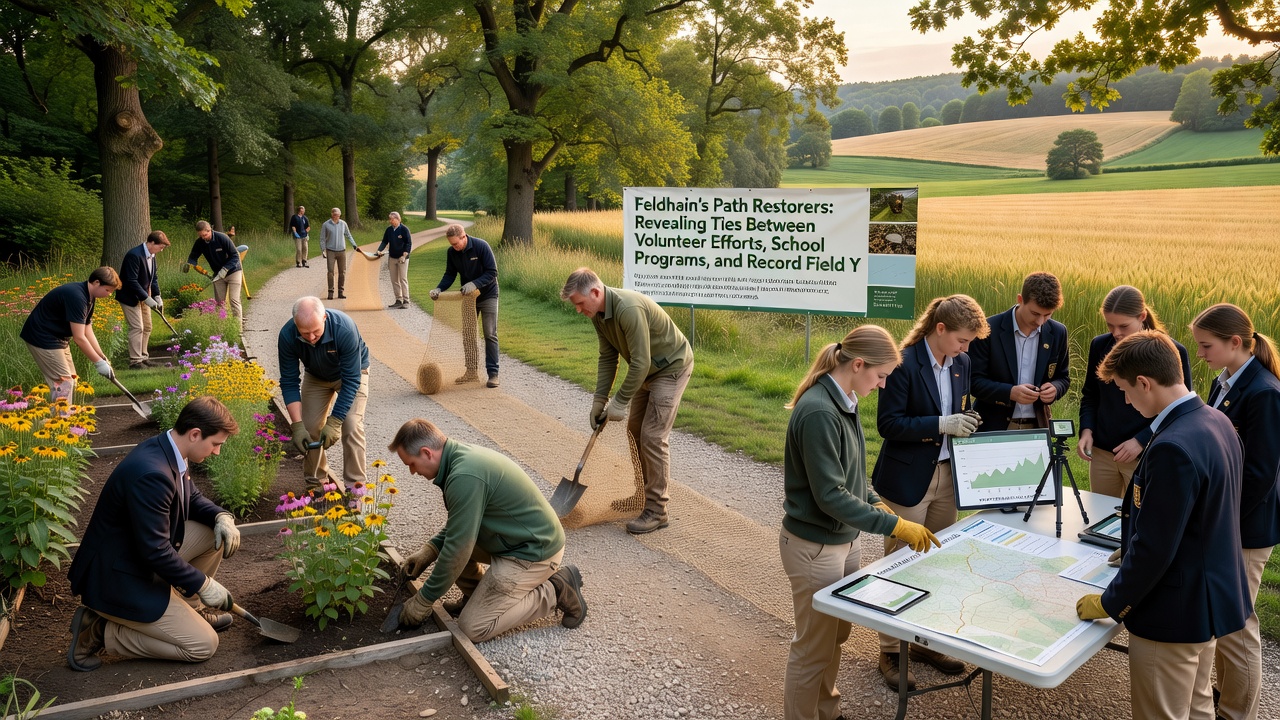
One group of secondary students tracked moisture retention in plots adjacent to cleared paths versus untouched routes, and their findings matched patterns described in reports from the European Commission agriculture portal. Another cohort mapped weed pressure reductions after equipment gained consistent access, supplying numbers that crews cross-checked against yield monitors at the end of the growing cycle.
Yield Outcomes and Broader Agricultural Patterns
Harvest figures compiled across participating farms showed record totals for wheat, barley, and potatoes in zones served by the restored network. Analysts attributed part of the increase to minimized overlap in spraying and harvesting passes, while noting that volunteer labor kept costs lower than contracted services would have required. School involvement supplied a steady supply of observers who flagged emerging issues such as blocked culverts before they affected larger areas.
Similar programs in other regions have produced comparable results; for instance, studies coordinated through Australian Bureau of Agricultural and Resource Economics and Sciences documented yield lifts when community groups maintained internal farm infrastructure. Feldhain crews adapted some of those documented methods, including seasonal timing of work to avoid peak growth periods, and the adaptation appears in the local statistics released after the 2026 season.
Conclusion
Path restoration in Feldhain continues to link volunteer schedules, classroom projects, and measurable production gains through shared data and coordinated field access. The pattern established by September 2026 suggests that ongoing collaboration between these groups can sustain the observed improvements in future cycles when records remain consistent and participation levels hold steady.