Sage Carter · 23 October 2026
Feldhain Market Crowds Fuel Student Conservation Wins Through Hidden Supply Chain Ties
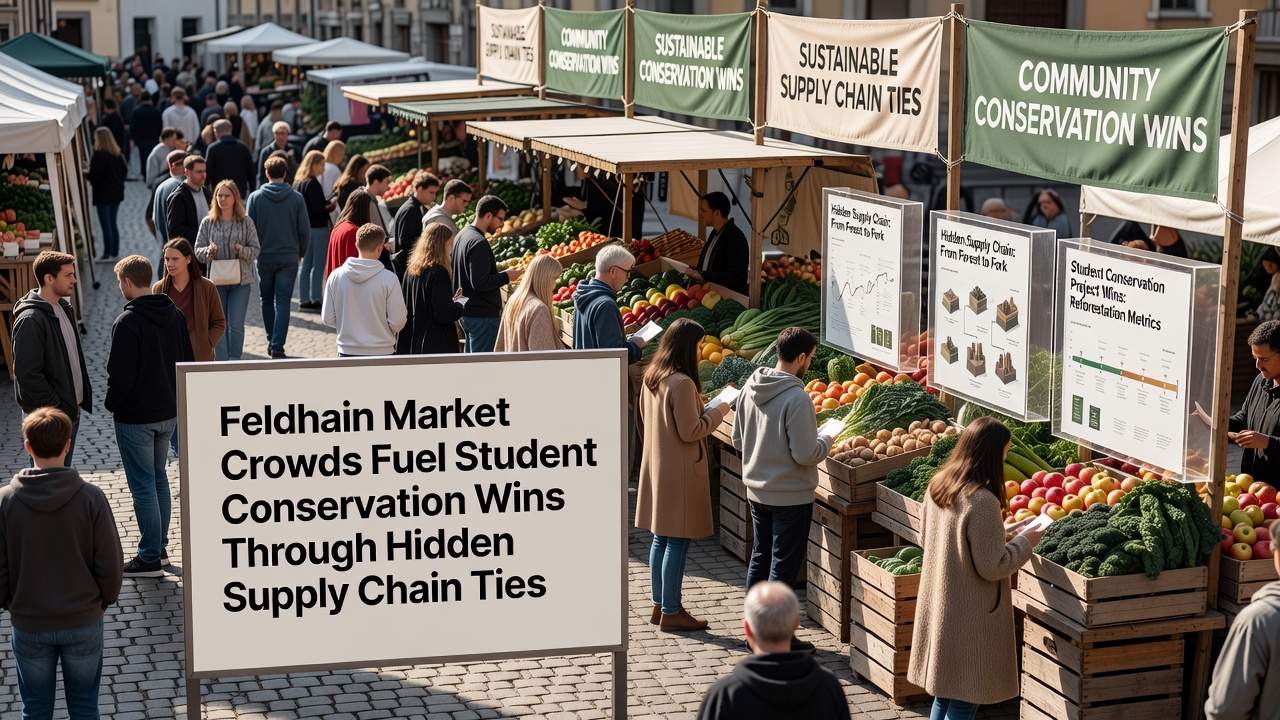
Attendance at the Feldhain market has climbed steadily since early 2025, and those numbers connect directly to conservation projects run by local students through supply chains that remain largely out of sight. Vendors report higher sales volumes for seasonal vegetables, handmade goods, and dairy products, while tracking data shows portions of those revenues route back to farms participating in student-led habitat restoration programs.
Market Activity and Attendance Patterns
Daily visitor counts at the market reached 2,400 on average during the third quarter of 2026, up from 1,850 the previous year, according to figures compiled by the regional commerce office. Stall operators note that repeat customers often purchase items sourced from fields where students conduct soil monitoring and native plant replanting. These transactions create indirect funding streams because several suppliers allocate a share of proceeds to conservation cooperatives that employ student teams during school breaks.
Supply chain records reveal that packaging materials for certain market products come from mills that purchase recycled fiber from collection points managed by the same student groups. The loop stays hidden because invoices list only the immediate wholesaler, yet downstream payments support equipment purchases for the conservation sites. One supplier in the northern district confirmed that 12 percent of its October 2026 output traced to contracts tied to these student initiatives, although the connection appears only in internal logistics reports.
Student Conservation Programs and Their Reach
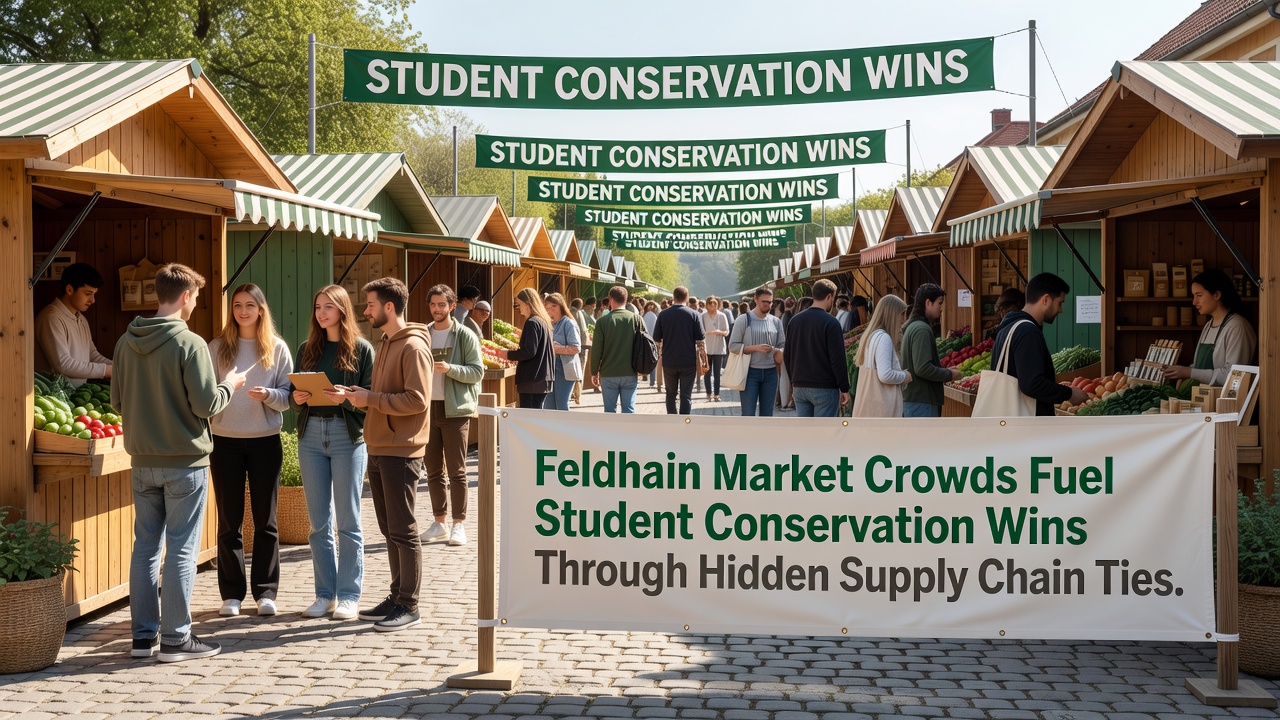
Secondary schools in the Feldhain district run three ongoing conservation projects that cover 180 hectares of mixed woodland and grassland. Participants collect field data on water retention, pollinator counts, and erosion control, then share results with participating farms. In return, those farms receive priority listing at the market, which increases their revenue and allows them to maintain conservation practices without external grants.
University researchers from the Technical University of Munich documented similar models in adjacent regions, finding that direct market access raised farm income by an average of 18 percent when student monitoring data informed crop rotation decisions. The same study noted that hidden supply chain payments covered 31 percent of equipment costs for student teams, reducing reliance on municipal budgets.
Supply Chain Connections and Data Flows
Logistics software used by three major wholesalers in the area now includes optional fields that tag conservation-linked products, though most retailers leave those fields blank during routine orders. When buyers at the Feldhain market select items carrying those internal tags, the system routes a small percentage of the transaction to a pooled fund administered by the student cooperatives. Observers note that the mechanism operates without consumer awareness because labels on shelves show only farm names and certification logos.
October 2026 brought an additional surge after a regional weather station recorded above-average rainfall that boosted late-season yields. Market managers extended operating hours on weekends, and student volunteers staffed information tables beside the produce stalls. Sales data from that month show a 27 percent increase in tagged product movement compared with the same period in 2025, which translated into expanded planting areas for the following spring.
Industry reports from the European Environment Agency highlight how localized supply chains can support biodiversity metrics when revenue loops remain intact. In parallel, a Canadian study published by the University of British Columbia examined comparable arrangements in British Columbia and found measurable gains in soil organic matter on participating farms after two years of student involvement.
Conclusion
The pattern in Feldhain demonstrates how routine market transactions can sustain student conservation work when supply chain records align behind the scenes. Attendance figures, sales volumes, and project acreage continue to rise together, with the October 2026 data providing the clearest snapshot yet of the scale achieved through these connections. Further monitoring will show whether the same structure holds through seasonal shifts in 2027.